


Comfrey: Summer, 1972
Mornings, well, they were lonely, a tip-toe in your tube socks sort of wilderness, where a dozen noisy things might go wrong before I could clear the cobwebs enough to avoid them.
No one else in the house had any reason to begin their days at four-o-clock, not the sisters, not Buddy, and certainly not the road crew guys boarding across the hall, which meant I dare not disturb any of them to the point of waking.
I jolted awake each morning, jarred from exhaustion and dreams by a wind-up alarm clock, the obnoxious clatter of its tiny clapper and two bells. There was no tempting snooze button on this cheap hand me down, no temporary reprieve. Just a wind-up key in back and a metal lever to stop the spring-loaded ratchet’s racket.
I dressed silently, fumbling with zippers and buttons on algae-stained work clothes; swollen fingers, painful from the previous day’s inevitable cuts and blisters, sleepy eyes struggling at their tasks.
In the hateful glare of the raw bathroom lightbulb, I splashed cold water on my face, combed night-wild hair, then tiptoed carefully down to the kitchen in pond-stained, white, cotton socks, bearing cereal and bread (kept in my room), offering the scantest of encouragements to creaking, antique stairs who simply loved talking and moaning out loud to anyone using them in those wee hours of morning.
The sisters’ linoleum floored kitchen looked as nearly barren at that hour as my soul felt, a veritable ghost town full of things just waiting to go wrong; sticky drawers and squeaky cupboards, clanging pots and dishes, sonorous silverware. An entire zoo full of noises just waiting for some clumsy maker, toast that forgot to pop up, burned yet again in their post-war, Toastmaster, filling the kitchen with smoke.
Any one of these things might awaken the kitchen’s owners and daytime residents, jeopardizing all breakfasts future, keeping me edgy in the dim light, nervous and uncharacteristically invested in that blessed cloak of silence.
Snoring loudly just one full room away were my landlord sisters, across the dark hall, both doors closed, each oblivious and hopefully, still dreaming. Their muffled noises were a comforting reminder to this weary kid, evidences of a better place to be at that awful hour, for while the ladies were off floating in dreamland, somewhere, in tranquil sleep, I was standing at their enameled sink, trying to silently scrape the char off my blackened toast before Vernon arrived.
“Why the hell am I up at this brittle hour, scraping burnt bread?” I’d wonder fretfully, yet again.
Breakfasts were simple, as necessity demanded, a heaping bowl of cereal with sliced banana, occasionally, buttered toast, or on special mornings, toasted pop tarts, and a strong cup of instant Folger’s with Coffee Mate, no sugar and occasionally, only tapwater-hot.
Deep breaths of steam rising from my coffee were often the first true glimpses of kindness in a new day, awakening a bit of gratitude in me, finally.
Overhead, flickering fluorescent tubes behind their yellowed, plastic casement, painted everything my eyes took in a sickening cyan-white, converting even Wonder Bread wrappers and Grape-nuts boxes into painful eyesores, making my skin appear jaundiced in spite of a deep tan. Nothing looked good that early in the morning in that light. Tastes and smells, and that ever-present hole in my fifteen-year-old boy-stomach alone allowed me to eat.
The sisters’ refrigerator was always a grand adventure, and daring to open it in the haze of pre-dawn seemed almost too much adventure, some mornings. One could tell in a glance, their previous night’s rations, they, being the first things on the shelf. Mrs. Simms occupation as a cook and her long-ago passage through the Great Depression had made her meticulous, frugally saving each leftover scrap, creating an ever-changing jungle of Saran-wrapped and tin-foiled plates and cups, and bowls that I was forced to navigate each morning, a sort of refrigerator safari, working carefully backward through their precariously balanced leftovers to locate and reclaim my buried quart of milk.
The kitchen’s sounds at that hour were intense and distinct. The monotonous groan of an old electric clock high on the wall, an endless stream of seconds being pulverized into an invisible gruel, time passing in a parade of tics …and lost. Snores and night coughs drifting from behind closed doors, down echoing halls and drifting into the stairwell. Sighs and creaks escaping hundred-year-old boards, joints expanding and shifting in the last, cooler depths of night. The compressor motor kicking in beneath the aged fridge. The drip, drip, drip of the worn-out faucet above the galvanized washtub by the back door.
Together, these sounds were to morning’s stillness what that groaning flourescent light was to darkness; during daytime, too quiet to notice but in sleeping, pre-dawn, silence an acid bath that ate slowly away at my awakening sanity.
Four-thirty a.m. will always be too early …too early for anything less than rising with the birds to watch the full moon set in the west, …or to go fishing.
There were days when I craved the rich, creamy taste of egg yolks on toast, and gladly paid extra for them, getting up even earlier. Ten short minutes was plenty of time to cook and relish their golden, warmth and runny cream, small gifts of pleasure and nourishment, rewards for the brave part of me starting yet another day alone.
Of course I was always careful about cleaning up, determined to vindicate Bessie’s day one faith in me and to make sure Mrs. Simms would find no cause to rescind my privileges.
Everything put carefully back into order, I would then tiptoe back upstairs, hurriedly brush my teeth and make my way to the side porch to await my ride.
Outside, the world was surprisingly sweet, tranquil and still wrapped in cool, rich, sodden darkness, but noticeably quieter than in deepest night. Katydids and crickets, and tree frogs, but no longer any nighthawks.
Breathing deeply and sipping in the warmth of my coffee against it, I took a seat on the porch steps, savoring the precious, momentary stillness. Finally, after all those steps and that gauntlet of noises outsmarted, being awake and ready before the rest of the world had even begun to stir seemed friendly and felt kinda perfect.
Soon enough, Vernon would arrive, radio blaring and him singing, smiling out of that beat-up damn Ford at me like I was his best friend.
“Mornin’ Gaylord!” he’d greet me, engine purring. “Gonna be a hot one today.”
Then off we’d drive, headlights dimly lighting up the pavement just ahead, rolling through the mists toward the awakening day, yet another Delta dawn.
© David E. Perry, 2026. All rights reserved.

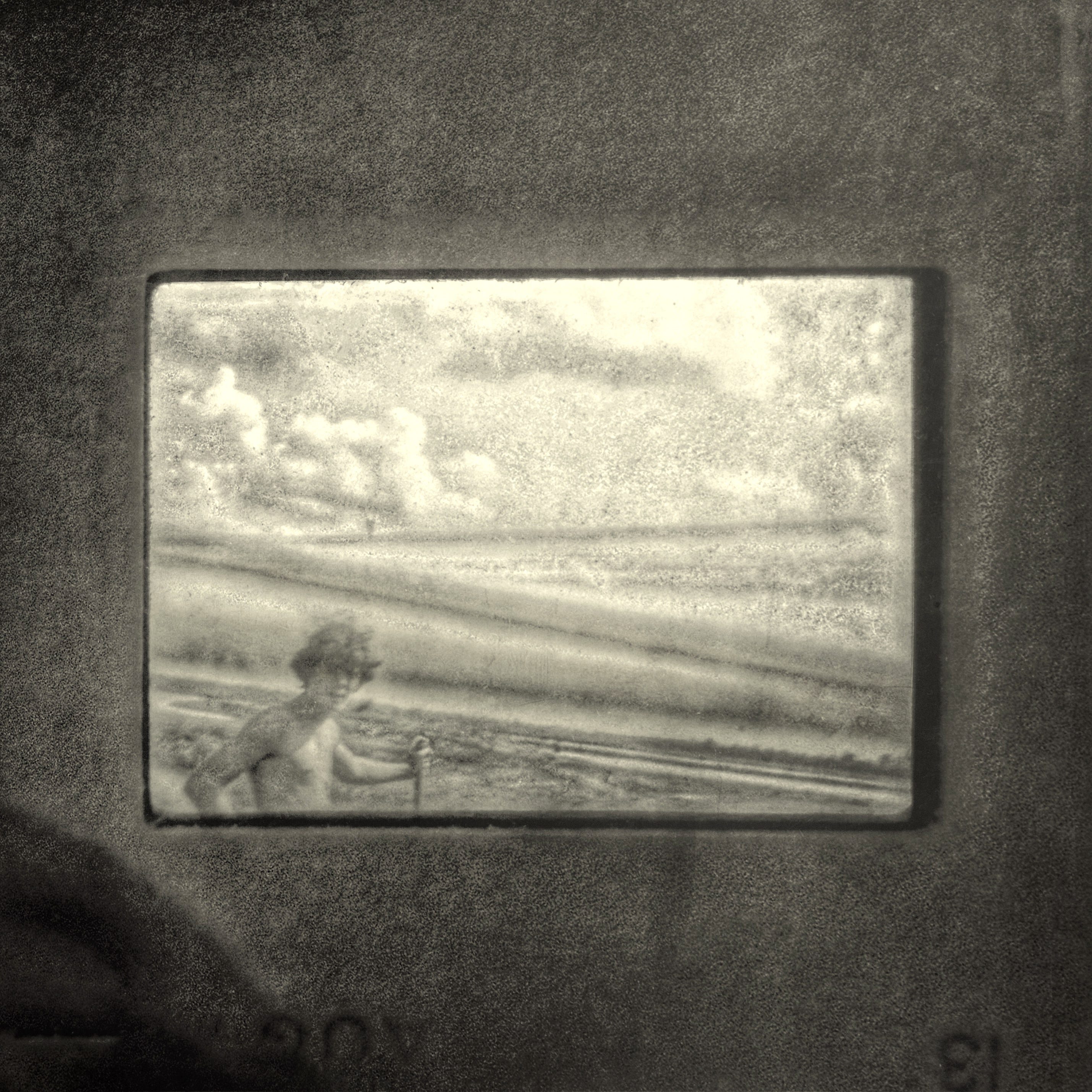
When I was fifteen I lived in a boarding house in Mississippi during the summer and worked, seventy and more hours each week …on a catfish farm where I earned just a dollar an hour. The work was honest, if the circumstances surrounding it were not. My mother was dating the fish farm’s married owner. His wife wrote and signed my paychecks every week. He knew I knew. I knew he knew. I was both liability and oddity, a hard worker trying like hell to be worthy of my paycheck rather than the nuisance brat of some fancy piece of tail.
It was complicated.
If you would like to read more of the nearly forty, previously published chapters from this unfolding coming of age memoir please click on Raisin’ Up Catfish in the menu bar at the top of my Substack home page. And if I haven’t said it recently or nearly often enough, thank you, truly for being part of this family. Your participation and your presence here means the world to me.
Exquisite. Your words made me hear every sound in an old country kitchen that I can see in my mind’s eye. Such a gift you have, and are.